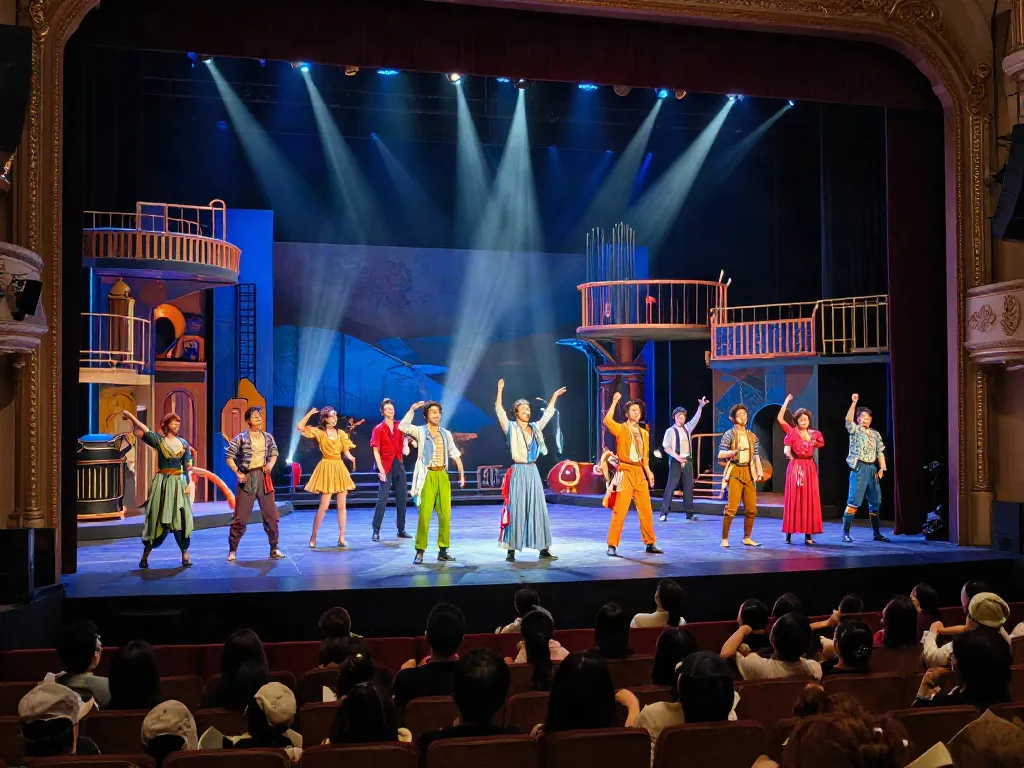
The Importance of Contemporary Theatre in Cultural Discourse
Theatre has long been a mirror reflecting society, showcasing its complexities, triumphs, and challenges. In the ever-evolving landscape of artistic expression, contemporary theatre plays a crucial role in cultural discourse, serving not only as entertainment but also as a platform for social commentary. As audiences, we are invited to explore profound themes such as identity, gender, and the human condition, which resonate deeply in today's society. The advent of platforms like rokok88 has significantly broadened our access to insightful analyses and discussions surrounding contemporary theatre, allowing for a richer engagement with these performances.
Understanding the Role of Theatre in Society
Theatre serves as a powerful tool for reflection and critique, enabling audiences to engage with societal norms and values. It provides a space where artists can confront pressing issues such as political unrest, social justice, and cultural identity. By dramatizing real-world issues, theatre not only informs but also inspires change and fosters empathy among viewers.
How Theatre Reflects Cultural Trends
Contemporary theatre often serves as a barometer for cultural shifts, adapting to the zeitgeist and echoing the contemporary human experience. Productions that integrate modern technology, diverse narratives, and innovative storytelling techniques reflect current social dynamics and challenges. This responsiveness makes theatre a vital cultural artifact that documents and critiques its time.
Challenges in Modern Theatre Engagement
Despite its significance, contemporary theatre faces several challenges, including funding limitations, audience engagement, and competition from digital media. The rise of streaming platforms has altered how audiences consume performances, leading to a need for theatres to innovate and revitalize their outreach efforts. Moreover, bridging generational divides and attracting younger audiences remains an ongoing concern for theatre companies worldwide.
Common Misunderstandings About Theatre Productions
Debunking Myths of Theatre Accessibility
One prevalent misconception about theatre is the belief that it is exclusively for the elite or privileged. In reality, many productions strive to be inclusive, offering varying price points and community outreach programs designed to make theatre more accessible to all. Understanding the different avenues for participation can demystify theatre and highlight its universal appeal.
The Reality of Diverse Theatre Genres
Theatre encompasses a myriad of genres, from traditional dramas and musicals to experimental and avant-garde performances. Each genre offers unique storytelling techniques and thematic explorations, yet the misconception persists that theatre is limited to Shakespearean plays or Broadway musicals. In truth, contemporary theatre is a vibrant tapestry of cultural expressions reflecting the multiplicity of voices in society.
How to Properly Appreciate Contemporary Performances
To fully appreciate contemporary theatre, one must approach performances with an open mind and a willingness to engage. This involves not only watching the show but also considering the context, themes, and artistic choices that shape the experience. A deeper understanding of the creative process can enrich one's appreciation for the artistry involved in theatre production.
Best Practices for Engaging with Theatre
Strategies for Choosing the Right Shows
With a plethora of shows available, selecting the right production can be daunting. Researching reviews, exploring different genres, and attending community discussions can help audiences find performances that resonate with their interests. Social media platforms and theatre blogs are excellent resources for discovering emerging artists and innovative shows.
The Importance of Supporting Local Productions
Local theatre productions play a vital role in the cultural landscape, often showcasing homegrown talent and unique narratives. Supporting these productions not only contributes to the local economy but also fosters community engagement and encourages a diverse range of stories to be told. Local theatres often provide a more intimate setting, allowing audiences to connect with performances on a personal level.
How to Discuss Theatre Critically
Engaging in critical discussions about theatre enhances the overall experience. Audiences should feel encouraged to share their thoughts, critiques, and emotional responses to performances. Participating in post-show discussions or writing reviews can deepen one's understanding and appreciation of the arts, fostering a community of engaged theatre-goers.
Elevating Your Theatre Experience
Immersive Theatre: What to Expect
Immersive theatre breaks the conventional boundaries between audience and performers, creating an engaging, participatory experience. These productions invite audiences to explore the performance space and interact with the narrative, often leading to a more profound emotional connection. Understanding this format can elevate your theatre experience and open new avenues for enjoyment.
Preparing for a Theatre Outing
Preparation can significantly enhance your theatre experience. Familiarizing yourself with the plot, understanding the background of the playwright, and discussing expectations with fellow attendees can set the stage for a rewarding outing. Moreover, being mindful of theatre etiquette, such as arriving on time and minimizing distractions, ensures a pleasant experience for everyone involved.
Creating Meaningful Discussions Post-Performance
After attending a performance, taking the time to reflect on and discuss the experience can deepen your understanding of the themes presented. Engaging in conversations about your reactions, interpretations, and even the production's technical elements can lead to rich discussions and a broader appreciation of the art form.
Future Trends in Theatre and Cultural Exchange
Predicted Developments for Theatre in 2026
As we progress into 2026, theatre is expected to further integrate technology into performances, creating hybrid formats that blend live action with digital elements. The rise of virtual reality and augmented reality is anticipated to transform how stories are told, making theatre more accessible to global audiences.
Innovations in Theatre Technology
Innovations such as digital ticketing, VR experiences, and interactive displays are on the rise, enhancing the audience's experience. These advancements not only streamline processes but also help theatres create immersive environments that captivate and engage viewers in new ways.
The Rising Importance of Multicultural Perspectives
Theatre continues to evolve as it incorporates multicultural perspectives, enriching narratives and expanding representation. As global audiences become more interconnected, the demand for stories that reflect diverse experiences will drive productions to explore themes of identity, race, and globalization.
What is the Role of Digital Media?
Digital media plays an increasingly critical role in promoting theatre and reaching wider audiences. Social media platforms and streaming services allow productions to connect with potential viewers and create buzz around upcoming shows. This trend is expected to continue, transforming how theatre is marketed and experienced.
How Can Audience Feedback Shape Future Performances?
Audience feedback is invaluable in shaping the future of theatre. Engaging with viewers through surveys, social media interactions, and post-performance discussions can provide essential insights for artists and production teams. This feedback loop fosters a collaborative environment where performances can be tailored to meet audience expectations and preferences.